126
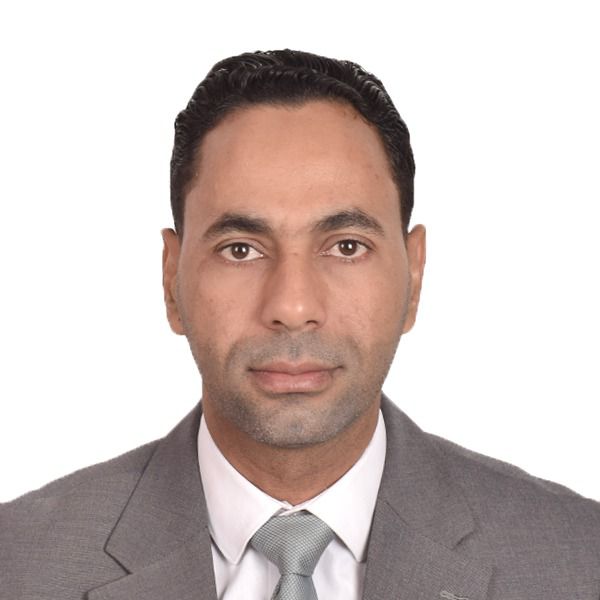
Dr. Abdullah Gadallah, Regional Director of the International Marketing Board (IMB) and Executive Director of the Arab Health Organization, stated that the digital skills gap has become one of the most serious challenges facing the Arab labor market, despite the continuous increase in the number of graduates and the rapid growth of technology and digital economy sectors.
In a press statement, Gadallah explained that companies and institutions across the Arab region are struggling to find qualified talent due to the mismatch between graduates’ skills and the actual requirements of modern jobs. He noted that many sectors now rely heavily on data analysis, artificial intelligence, and digital platform management.
He added that the widening digital skills gap is driven by several key factors, including the slow updating of educational curricula compared to the rapid pace of technological development, excessive reliance on academic degrees rather than practical skills, and weak coordination between educational institutions and labor market needs.
The Regional Director of IMB pointed out that the impact of this gap extends beyond individuals to affect the overall economy, as companies are forced to delay expansion plans, increase internal training costs, or depend on external expertise at higher costs. Meanwhile, many young people face unemployment or are forced to accept jobs that do not match their qualifications.
Gadallah stressed that placing the blame solely on young people is inaccurate, emphasizing that the issue is rooted in a broader system that includes education, training, recruitment policies, and corporate culture. He explained that the global labor market no longer measures competence by years of education, but by an individual’s ability to continuously learn and adapt to change.
He called for expanding executive education and specialized professional training as practical solutions to bridge the digital skills gap, noting that such programs focus on market-driven skills, real-world applications, and continuously updated content aligned with labor market demands.
Gadallah concluded by stressing that investment in digital skills development must become a national priority, involving governments, educational institutions, and the private sector, adding that the future of the Arab labor market will be determined by the readiness of its workforce for the economy of tomorrow.