
Egypt’s Holding Company for Maritime and Land Transport has reported a year of robust financial and operational growth, underlining the state’s broader push to modernize mobility, logistics, and port infrastructure.
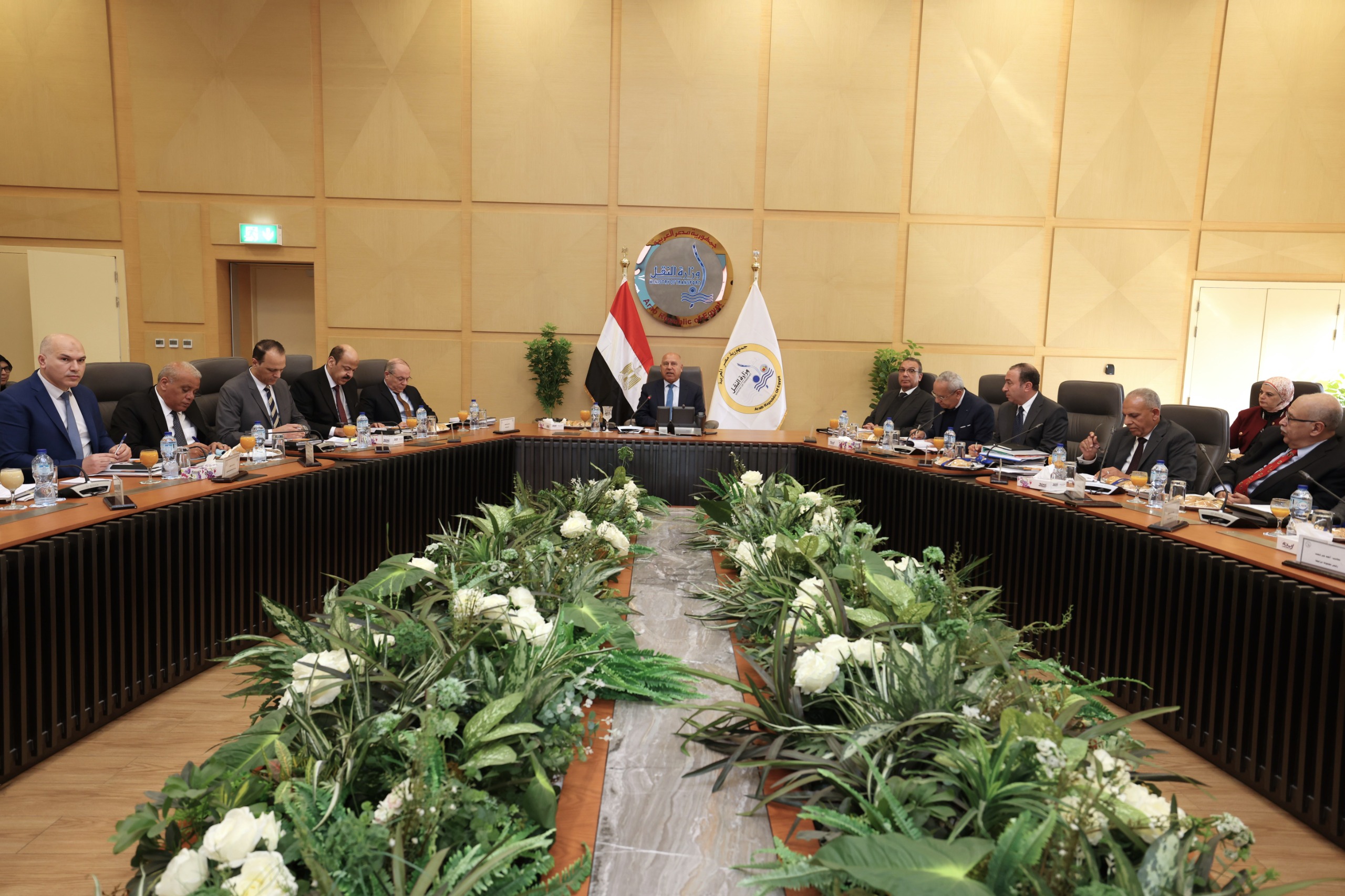
The company’s general assembly, chaired by Transport Minister Kamel El-Wazir, approved the financial results for fiscal year 2024/2025, which showed consolidated revenues of nearly EGP 23.99 billion, marking annual growth exceeding 26 percent. Net profit climbed to around EGP 14.3 billion, up by a similar margin year-on-year.
Standalone financial statements for the holding company also reflected solid performance, with revenues reaching EGP 6.26 billion and net profits totaling EGP 5.58 billion, supported by restructuring programs and expanded operational activity.
Passenger Transport Expansion
In passenger mobility, the group advanced a sweeping fleet modernization program, contracting for 529 buses and minibuses at a total cost exceeding EGP 4.2 billion for East Delta, West Delta, and Upper Egypt transport and tourism companies. More than two-thirds of the vehicles have already been delivered, with the remainder scheduled for completion in 2026.
These operators collectively transported about nine million passengers across 188 routes and 156 stations covering 35 governorates and cities, alongside upgrades to maintenance workshops, service hubs, spare parts supply, and technical support systems.
Freight and Logistics Integration
In freight transport, the company moved to strengthen efficiency by consolidating shipping operations into a unified entity, Nile Cargo Transport Company, enabling centralized fleet management and improved competitiveness.
The group also launched a procurement plan for 150 truck tractors and 153 semi-trailers, part of which has already been received. During the reporting period, the company transported more than 1.4 million tons of goods, operating roughly 220 vehicles daily.
The holding company further expanded into temperature-controlled logistics, introducing refrigerated transport services for food and pharmaceuticals between governorates — a move designed to reinforce supply chains for essential commodities and raise service standards.
Shift Toward Sustainable Mobility
As part of Egypt’s transition toward greener transport, the company approved a plan to procure 200 electric buses for the Bus Rapid Transit project, with half already delivered. The vehicles provide air-conditioned, connected public transport and are expected to help reduce congestion on Greater Cairo’s ring road.
Digital Transformation and Governance
Institutional reforms were implemented in parallel, including digital transformation initiatives and the rollout of ERP systems across finance and human resources. The company also expanded e-ticketing, digital archiving, electronic payment platforms, and operational monitoring applications.
During the year, it secured three international certifications covering quality, environmental standards, and occupational safety, while registering intellectual property rights for several proprietary digital applications.
Maritime Transport and Asset Optimization
Within the maritime segment, development works included quay deepening, cargo-handling equipment upgrades, and expanded logistics yards, boosting throughput capacity and vessel turnaround times at container terminals.
The group also intensified efforts to maximize returns on its asset portfolio through real-estate and operational investments, including the management of new transport hubs and the offering of sites for private investment.
Partnerships and Regional Cooperation
On the partnerships front, the holding company helped establish specialized entities in logistics, ports, and mass transit, while signing memoranda of understanding with regional and international partners in port management, maritime recycling, and logistics services.
Minister El-Wazir stressed during the meeting that upgrading maritime and land transport systems remains central to strengthening supply chains and linking ports to production zones. He emphasized continued fleet renewal, workforce development, and more efficient asset utilization to improve economic returns and enhance the sector’s competitiveness in Egypt.